Why Does Liquid Glucose Cause Crystallisation, Off-Odour or Excessive Browning in Your Product?
Liquid glucose (glucose syrup) rarely fails because of "quality" in the abstract; it fails because the DE value, dry substance and SO₂ level were chosen for someone else's process. Pick a mid-DE syrup at 78–82% dry substance with controlled SO₂, keep it above 30 ℃ in the tank, and it will stabilise texture, suppress sucrose crystallisation and give clean sweetness in confectionery, bakery, beverages and fermentation. Get one of those three numbers wrong and you get crystals in the bottle, a sulphur note in the gummy, or dark colour in the biscuit. The risk is process control, not safety.
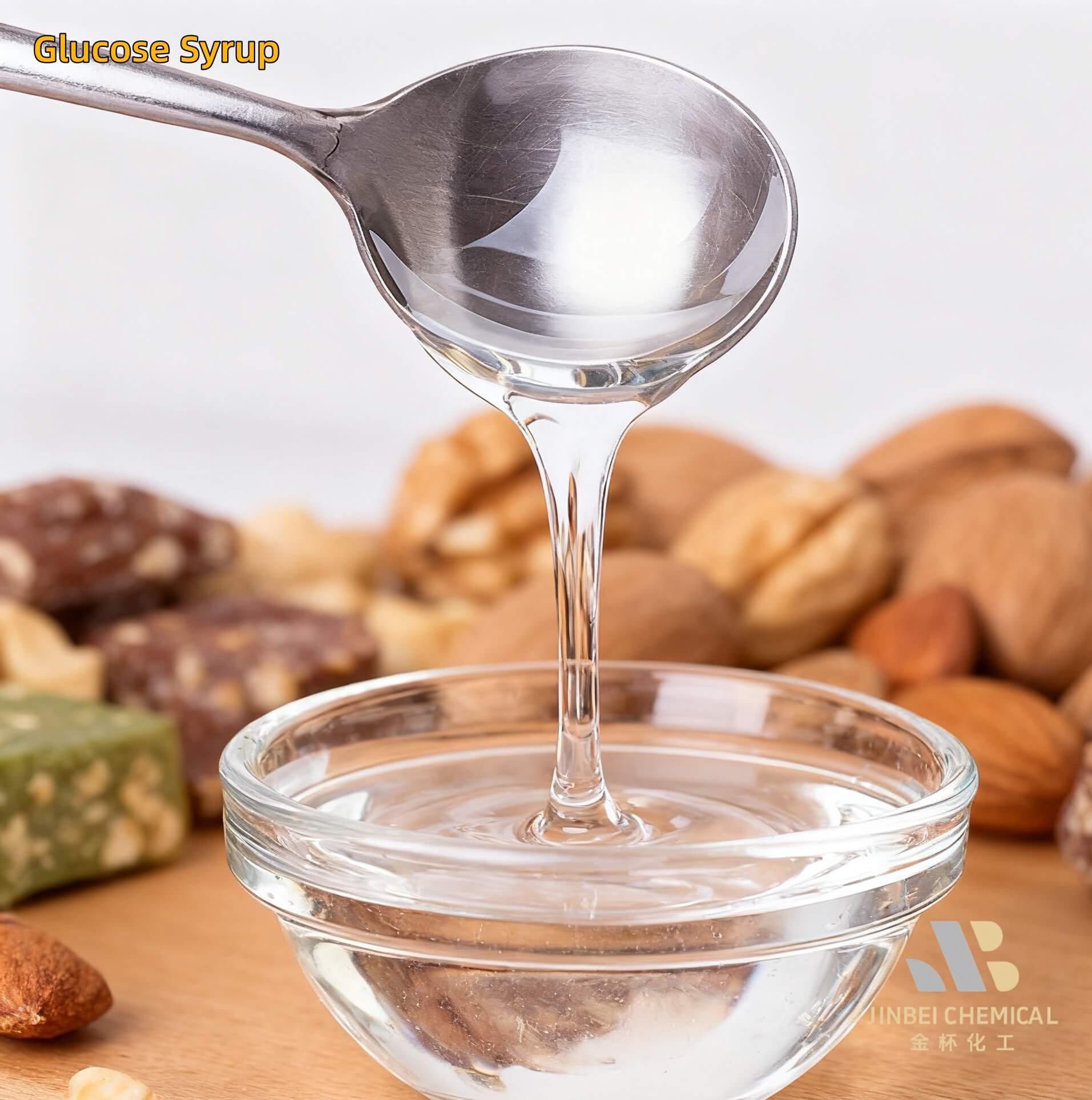
What is liquid glucose?
|
Item |
Detail |
|
Name |
Liquid Glucose / Glucose Syrup (葡萄糖浆); from corn starch often called Corn Syrup |
|
Nature |
A nutritive saccharide syrup — a food ingredient, not a food additive |
|
Source |
Edible starch (corn, wheat, tapioca, cassava, potato) hydrolysed by enzyme/acid-enzyme process |
|
Main sugars |
Glucose (DP1), maltose (DP2), maltotriose and higher saccharides |
|
DE value |
Reducing sugars (as glucose) ÷ dry substance × 100%; typical commercial range 38–65 |
|
Dry substance |
70–85% (Baumé 38–45°); the rest is water |
|
pH |
4.0–6.0 |
|
Appearance |
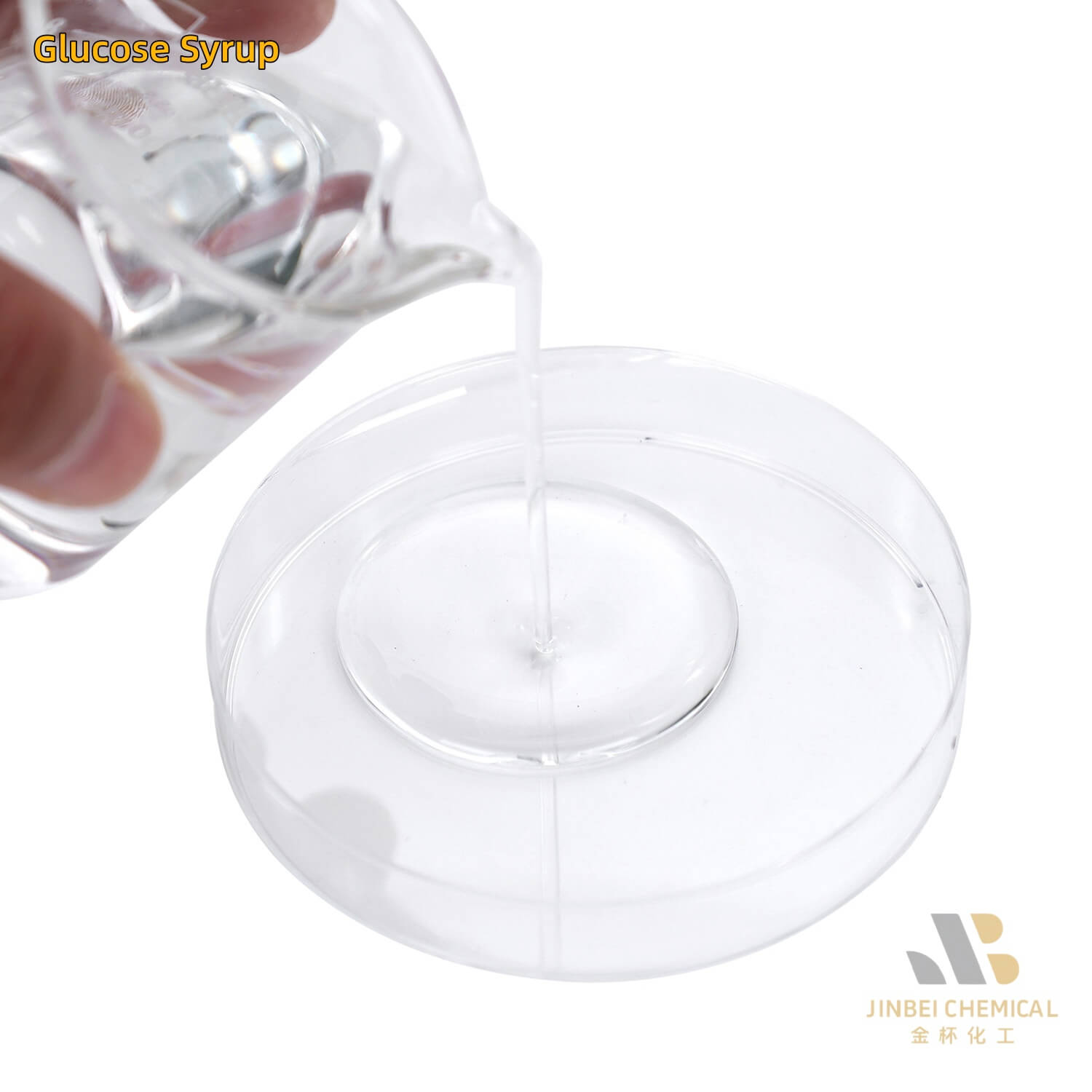
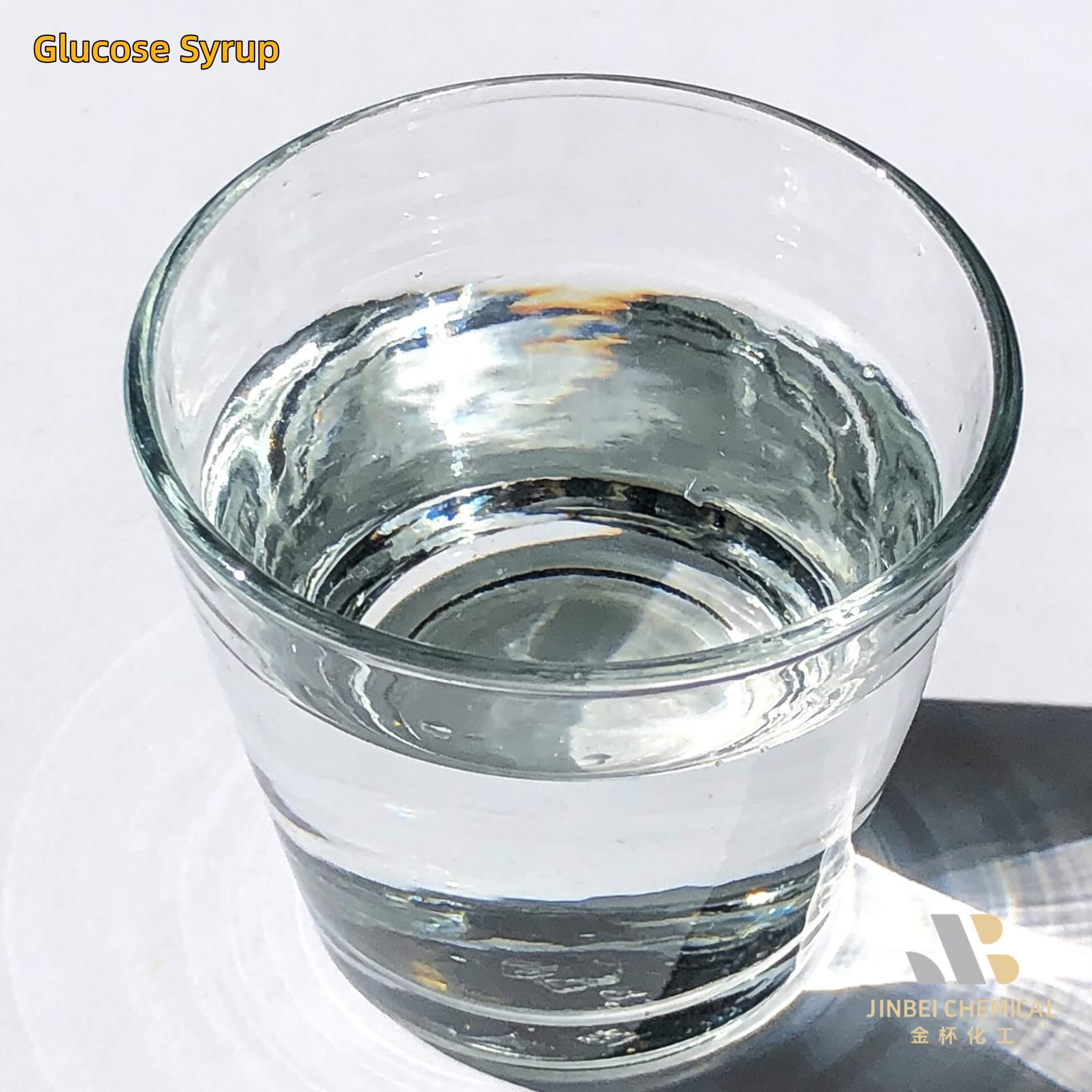
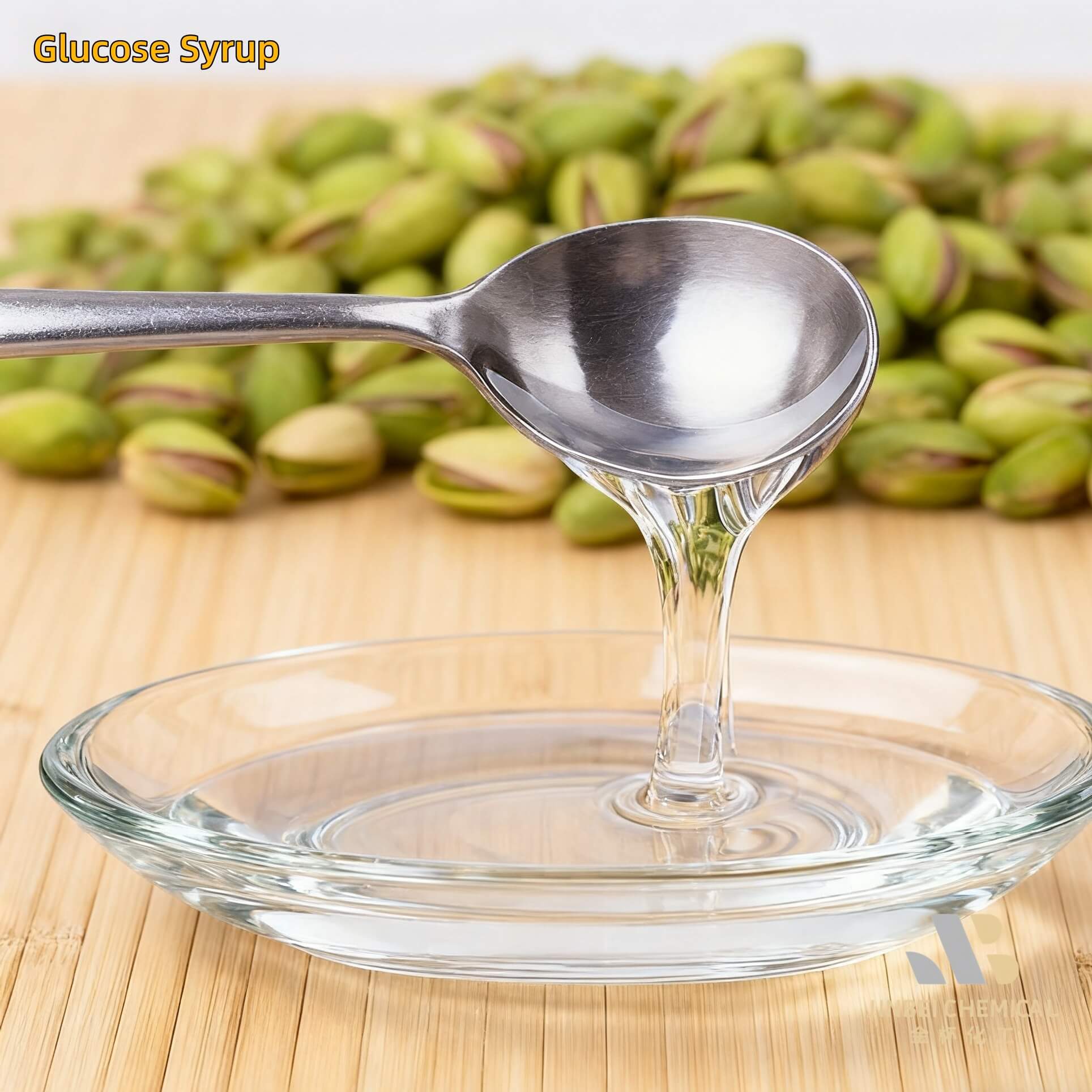
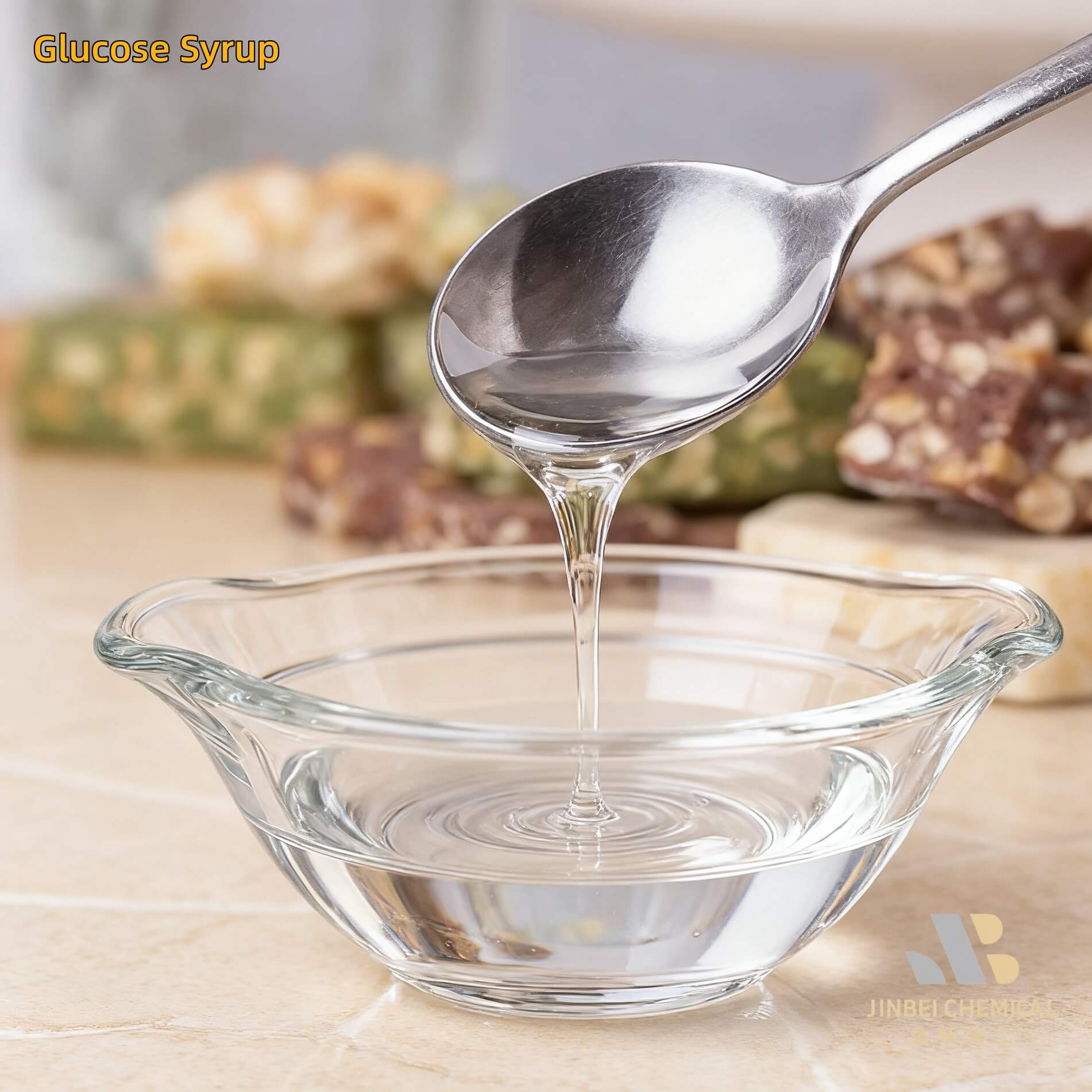
Viscous, clear, colourless to pale yellow liquid; odourless to faint characteristic odour |
|
Chinese standards |
Safety: GB 15203-2014《食品安全国家标准 淀粉糖》; Quality: GB/T 20882.2《淀粉糖质量要求 第2部分:葡萄糖浆(粉)》 |
|
US standard |
21 CFR 168.120 (Glucose sirup): total solids ≥70%, DE ≥20%, sulfated ash ≤1.0%, SO₂ ≤40 mg/kg |
|
Key related products |
Glucose syrup powder, crystalline dextrose, HFCS F42/F55, maltose syrup, maltodextrin, isomaltulose, isomalt |
Two terms you must not mix up: DE ≠ DX. DE counts all reducing sugars by titration; DX measures actual glucose by HPLC and is typically 1–2 points lower than DE. DE tells you hydrolysis degree; DX tells you glucose purity. If your buyer asks for DX, do not answer with DE.
The spec sheet: what actually separates grades
Per GB/T 20882.2 (glucose syrup):
|
Item |
Low DE |
Mid DE |
High DE |
|
DE (dry basis) |
20 ≤ DE ≤ 41 |
41 < DE ≤ 60 |
DE > 60 |
|
Dry substance ≥ |
50% (all) |
50% |
50% |
|
pH |
4.0–6.0 (all) |
|
|
|
Transmittance ≥ |
95% |
98% |
98% |
|
Sulfated ash ≤ |
0.3 g/100 g (all) |
|
|
Note: the national quality threshold for dry substance is only ≥50%, while commercial liquid glucose is normally 70–85%. Do not let a supplier quote the national standard minimum and call it "standard export grade" — that number is a floor, not a product spec. Always fix dry substance, DE and transmittance in your PO.
Four failure modes (and which number predicts each)
1. Crystals in the bottle or in-bottle crystallisation. Glucose will re-crystallise as monohydrate when a high-DE syrup is held cool or when local concentration spikes during evaporation. Standard allows crystal formation in liquid products, but your line cannot tolerate it. Fix: specify DE appropriately, avoid storing below 25–30 ℃, heat-trace tanks and lines, and filter before filling. Do not buy a high-DE syrup for a clear bottled drink unless the supplier guarantees cold stability.
2. Sulphur / burnt-match off-odour. SO₂ is used to control colour and microbial load during processing. Too much leaves an odour detectable in neutral matrices like dairy, gummies and infant-adjacent products. Also: in the EU, sulphites >10 mg/kg must be declared on the label — a hard constraint for clean-label programmes. Ask for SO₂ ppm on the COA and hold it to ≤10–20 mg/kg for sensitive applications.
3. Excessive browning or too little colour. As a reducing sugar, glucose drives Maillard reaction. High DE = more browning, more fermentability, lower viscosity. In biscuits and cookies that is an asset; in white icings, clear beverages and light-coloured fillings it is a defect. Choose DE by the colour curve you need, not by price.
4. Viscosity and pumping problems. Low DE = more dextrins = higher viscosity and better moisture retention; high DE = thinner, sweeter, more fermentable. A syrup that pumps fine at 40 ℃ can become un-pumpable at 15 ℃. Size your pumps, hoses and metering valves for the actual temperature in your warehouse, not the spec sheet.
Choosing DE by application
|
Application |
Typical DE |
Typical usage |
Why |
|
Hard candy / boilings |
High DE (often blended with sucrose) |
30–50% of sugar solids |
Suppresses sucrose crystallisation; high DE gives clarity |
|
Gummies, jellies, marshmallow |
Mid DE 38–45 |
30–50% of sugar solids |
Body, chew, humectancy, prevents graining |
|
Biscuits, wafers, cakes |
Low–mid DE 28–42 |
5–15% on flour |
Moisture retention, softer crumb, controlled colour |
|
Beverages, RTD, plant protein drinks |
Mid–high DE 42–60 |
Solids per °Bx target |
Mouthfeel/body without sucrose crystallisation |
|
Ice cream & frozen desserts |
Mid DE 38–45 |
Part of the 12–16% sweetener blend |
Freezing-point depression, smoother texture, less iciness |
|
Dairy, yoghurt, fermented |
Mid DE |
To taste/solids |
Mild sweetness, good fermentable substrate |
|
Brewing & fermentation |
High DE 60+ |
As fermentable extract |
Yeast-available sugar, consistent attenuation |
|
Sauces, dressings, canned fruit |
Low–mid DE |
3–10% |
Gloss, body, freeze-thaw stability |
|
Pharma syrup base, lozenges |
High DE, low SO₂ |
Per formulation |
Clean taste, low odour, defined solids |
|
Non-food (adhesives, textiles, feed) |
Any, industrial grade |
— |
Grade follows use; never cross-use batch numbers |
Ranges are industry-common intervals. Validate against your own pilot trials and the target market's regulations.
Compliance & labelling points that trip people up
· In China, glucose syrup is classified under starch sugars (GB 15203-2014 category), produced under an SC licence for food production; pollutants must meet GB 2762, pathogens GB 29921.
· It is a sugar, not a sweetener in the "additive" sense: it must be declared as glucose syrup in the ingredient list and counts toward total sugars and carbohydrates on the nutrition panel. It disqualifies "no added sugar" claims and works against "low sugar" positioning.
· Sodium is negligible (unlike sodium bicarbonate) — so it is the preferred bulking carbohydrate where sodium must be minimised. That is a genuine differentiation point versus using baking soda or salt-containing ingredients.
· Allergen/source declaration matters: wheat-derived glucose syrup may require gluten/allergen statements in some markets (even though highly refined wheat glucose syrup is generally considered gluten-free, the declaration practice varies). Corn-based needs non-GMO confirmation where claimed. Confirm Halal/Kosher/non-GMO before ordering; these cannot be back-dated.
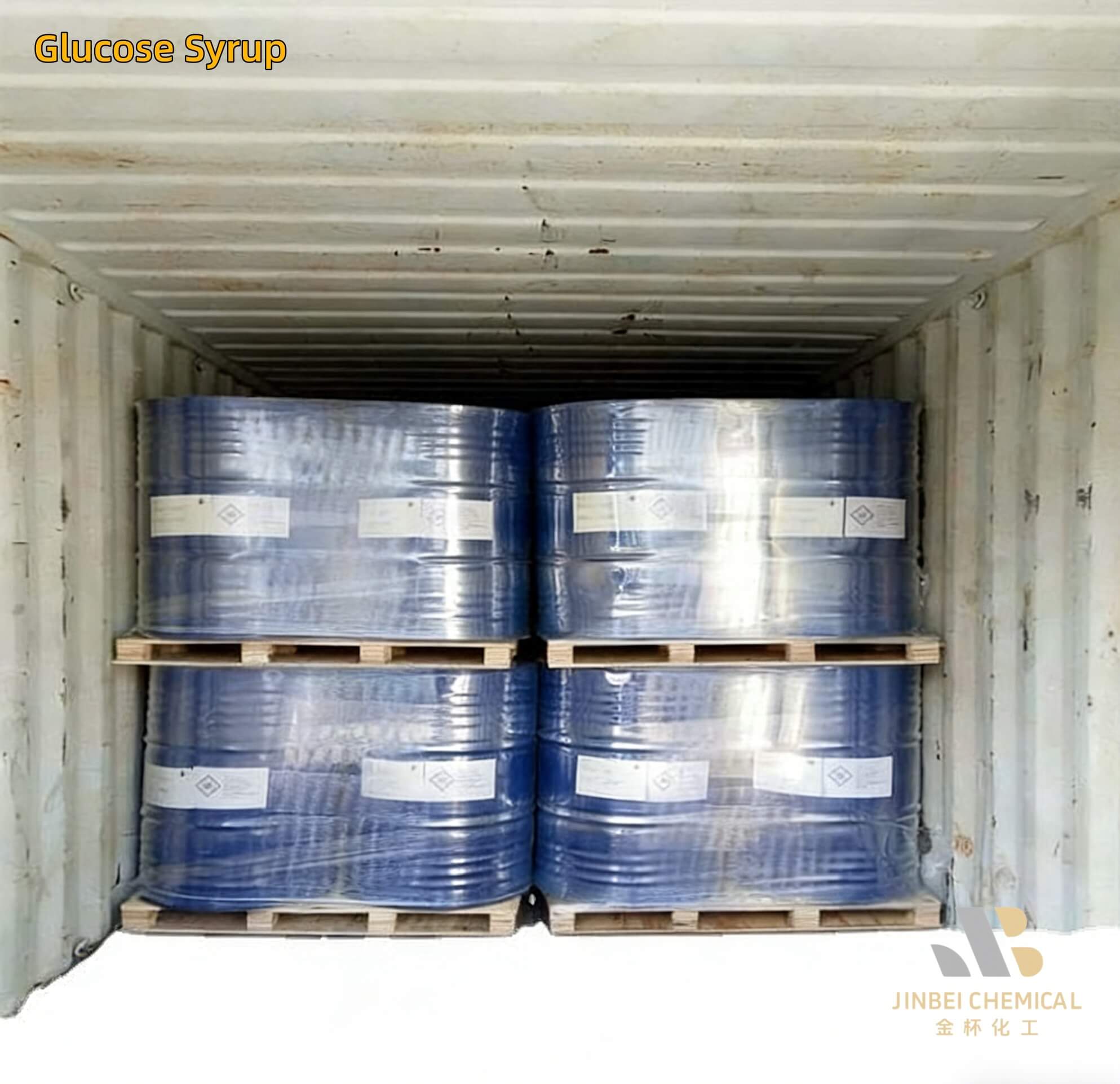
· Storage & transport: store in sealed tanks/drums at 25–35 ℃, protected from moisture uptake and condensation; avoid prolonged holding above 50 ℃ (colour drift and HMF formation); keep away from strong oxidisers and alkalis. Typical shelf life 12 months for drums, subject to enterprise standard. Never top up a tank without cleaning — old residue ferments and seeds crystallisation.
Figures above are indicative ranges from public standards and literature. Confirm final acceptance criteria against the current valid standard text and your batch COA before release.
FAQ
Q1: Liquid glucose vs glucose syrup vs corn syrup — different products?
Same family. "Liquid glucose" and "glucose syrup" are used interchangeably; "corn syrup" specifies corn-starch origin (US labelling requires naming the starch). For export, declare the botanical source — it affects tariff codes, allergen statements and customer acceptance.
Q2: Can I replace sucrose with liquid glucose?
Not 1:1 for sweetness. Liquid glucose is roughly 40–60% as sweet as sucrose depending on DE. It is normally used with sucrose: to control crystallisation, add body and retain moisture. Replacing all sucrose collapses sweetness and changes texture.
Q3: My gummies are weeping / sticky in humid weather. Is it the syrup?
Likely a water-activity and DE mismatch. High-DE syrups are more hygroscopic; combined with insufficient drying or a humid packing room they pick up moisture. Check the syrup DE, verify final aw, and review the drying tunnel profile before changing suppliers.
Q4: Crystals appeared in my bottled drink after winter shipping. Why?
High-DE syrup + cold storage = glucose monohydrate crystallisation. Switch to a lower DE or confirm cold stability with a chilled hold test, and add heat tracing to the filling line.
Q5: Does it need to be food grade?
Yes, for any food, beverage, pharma or feed-for-food-chain use. Industrial starch sugars are priced lower and may carry higher SO₂, ash and colour; they lack the SC licence chain and food-additive/ingredient labelling. See our guide on why industrial and food grades must not be substituted.
Q6: What specs and documents do you supply?
Food-grade liquid glucose at DE 38–42 / 42–60 / 60+, dry substance 75–82%, transmittance ≥97%, SO₂ controlled, with per-batch COA, SC qualification and third-party reports. Drum, IBC tote and bulk tanker options available; private-label and custom DE/dry-substance blends quoted to your spec. Request a Quote →
Need specs, samples or a quote?
Contact us for the specification sheet, per-batch COA and samples of
liquid glucose / glucose syrup — including DE selection, dry-substance target, SO₂ limits and packaging format matched to your line.